Pioneering Sustainability: Pineapple Leaf Fiber in Modern Textiles #
Green Cycling: Our Core Strengths #
Environmental Sustainability #
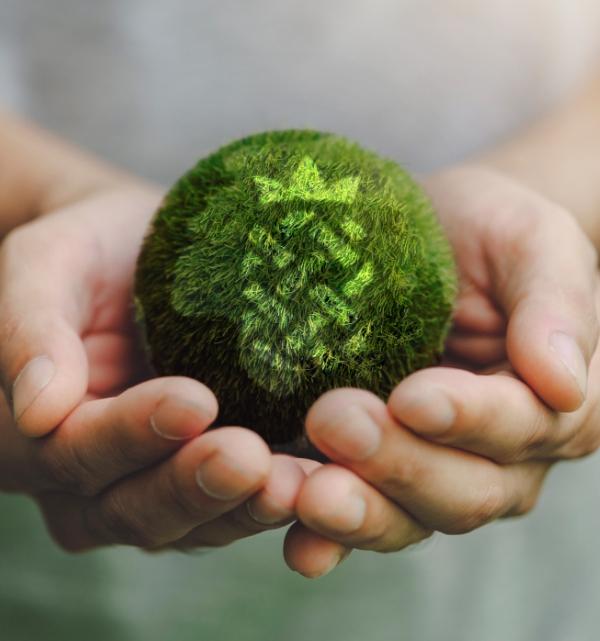
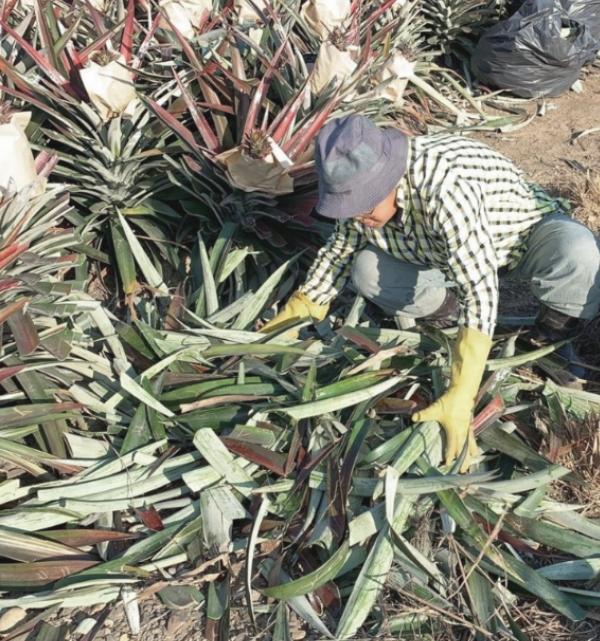
Our low-carbon yarn production process effectively recycles pineapple leaves, enhancing the economic value of pineapple fruit while preventing carbon emissions from incineration. Biomass sludge is converted into fertilizer, further supporting a circular economy. Our pineapple leaf fiber (PALF) is certified with a minimal carbon footprint of just 0.784 kg CO2e, according to ISO 14067:2018. Utilizing pineapple leaves saves 2.4 metric tons of carbon emissions per metric ton and reduces water usage by 97% compared to cotton.
Social Value #
By sourcing pineapple leaves from local farmers, we improve rural economic conditions and strengthen the rural labor force, supporting community development.
Quality Assurance #
We recycle waste pineapple leaves grown organically, using advanced extraction and exclusive yarn production technologies to ensure consistent, high-quality fiber.
Material Sourcing and Production Process #
High-Efficiency Extraction Technology #
Leveraging Taiwan’s expertise in organic farming, textile technology, and machine tool industries, we have developed a process to recycle agricultural waste into valuable fibers. The process includes:
- Collection of recycled organic pineapple leaves
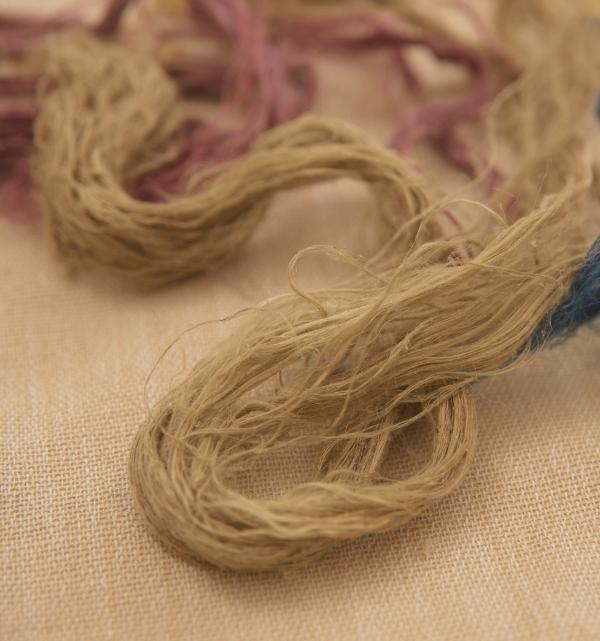
- Extraction of pineapple leaf fiber
- Blending with other fibers
- Spinning into various yarns
- Weaving into diverse fabrics
- Production of ready-to-wear garments
Our transparent supply chain ensures traceability, with pineapple leaves sourced from MOA-certified organic farms in Southern Taiwan. PALF is a unique local fiber, contributing to Taiwan’s textile identity.


Applications of PALF: Sustainable Fashion and Beyond #
Key Characteristics #
- Dry handfeel similar to linen
- Absorbent and breathable
- Suitable for blending with natural or synthetic fibers
- Natural anti-bacterial properties
Sustainable Development Goals (SDGs) and Certifications #
PALF supports multiple SDGs and is recognized by BSI, ISO 14064, and SUDA certifications.


Product Applications #
 T-shirt made of pineapple fiber
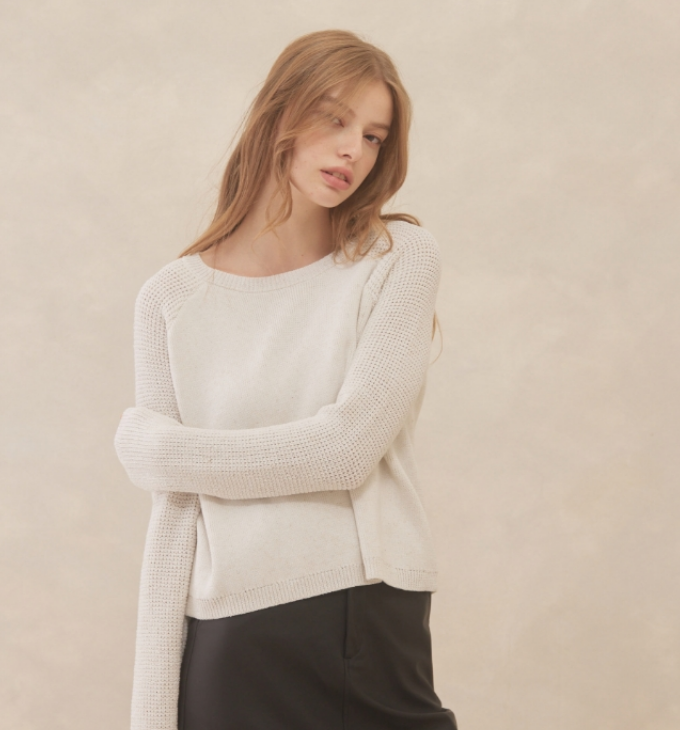 Sweaters made from pineapple fiber
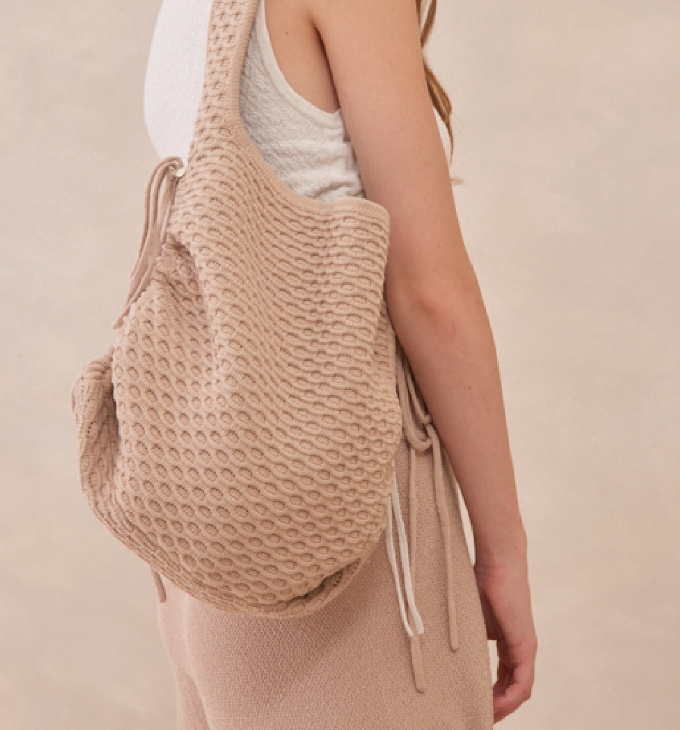 Fashion Accessories made from pineapple fiber

- T-Shirts: PALF T-shirts offer exceptional dryness and breathability, providing comfort while supporting eco-friendly fashion.
- Sweaters: By blending PALF with other natural fibers, our sweaters combine dryness and warmth, reflecting our commitment to sustainability.
- Home Decoration: In collaboration with Foremost Champion Co., Ltd., we utilize pineapple dregs to create sustainable alternatives to leather for furniture and home decor.
- Accessories: Through innovative weaving, PALF enriches bag designs, embodying the essence of sustainable fashion.
Video Discovery #
Media Highlights #
 TVBS News
 Marketers
 DBS Taiwan
Collaborative Alliance: Driving Innovation Together #
- Pinacell Co., Ltd.: Located in Dashu, Kaohsiung, Pinacell is a pioneer in organic pineapple farming and automated fiber extraction, leading the way in agricultural waste recycling.
- Tuchen Textile Co., Ltd.: With over 40 years in Taiwan, Tuchen is the first RWS woolen mill in Taiwan certified by the Woolmark Company and GRS, playing a crucial role in promoting PALF in the textile industry.
- Yarn Sky Textile Technology Co., Ltd.: Focused on R&D and manufacturing of eco-friendly textiles, Yarn Sky integrates with apparel manufacturers and raw material suppliers to promote high-quality MIT products globally.
- UKL Enterprise Co., Ltd.: With more than 35 years of experience, UKL is a leading knitwear exporter and OEM/ODM supplier, recognized for its mass production of PALF and international competitiveness.